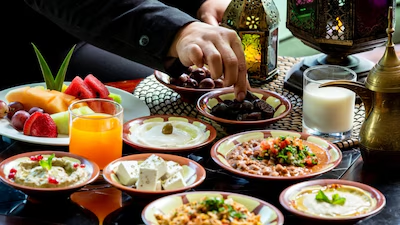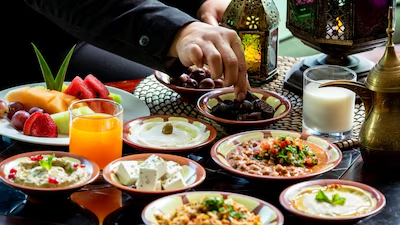
Smart Suhoor Choices: Long-Lasting Satiety and Energy Suhoor, the pre-dawn meal during Ramadan, plays a crucial role in sustaining energy, maintaining hydration, and supporting metabolism throughout the fasting day. Making smart choices at Suhoor ensures that you remain active, focused, and comfortable during long hours without food or drink.
Many people underestimate the importance of Suhoor or opt for foods that are high in sugar, salt, or fat. Such choices may provide quick energy but lead to early fatigue, dehydration, and increased hunger before Iftar. To avoid these issues, it is essential to focus on balanced, nutrient-dense meals that promote lasting satiety.
Never Skip Suhoor
Skipping Suhoor is a common mistake that can negatively impact fasting performance. A complete pre-dawn meal provides the body with the necessary energy and hydration to sustain activity, mental clarity, and focus throughout the day.
Ensure that your Suhoor includes complex carbohydrates, proteins, healthy fats, and water-rich foods. These components slow digestion, prevent early hunger, and help regulate blood sugar levels during fasting hours.
Foods That Promote Long-Lasting Satiety
Choosing foods that keep you full for longer periods is critical. Examples include:
- Brown bread or whole-grain options – high in fiber and slow-digesting carbohydrates.
- Legumes such as lentils, chickpeas, and beans – rich in protein and fiber.
- Oats mixed with yogurt or milk – provide slow-releasing energy and support digestion.
These foods help stabilize energy levels, reduce mid-day fatigue, and prevent excessive hunger pangs before Iftar.
Add Healthy Oils for Satiety
Including a teaspoon of healthy oils such as olive oil or corn oil in your Suhoor meal can significantly increase satiety. Healthy fats slow digestion, provide essential fatty acids, and help maintain energy levels. For example, drizzle olive oil on salads, cooked vegetables, or whole-grain bread for a nutritious and filling addition.
Incorporate Protein and Fiber-Rich Foods
Protein-rich foods like eggs, low-fat cheese, and yogurt are excellent choices for Suhoor. Combined with fiber-rich foods such as vegetables, fruits, and whole grains, they support muscle function, digestion, and a prolonged feeling of fullness.
For instance, a Suhoor plate can include boiled eggs, a slice of whole-grain bread, a small portion of legumes, and a fresh vegetable salad. This balanced approach ensures sustained energy without causing discomfort or excessive thirst.
Avoid Foods That Increase Thirst
Certain foods can make you feel thirsty sooner, reducing comfort during fasting hours. Examples include red meat, fried foods, fast food, and overly salty meals. These should be limited at Suhoor, as they cause the body to lose water more rapidly and increase dehydration risk.
Instead, focus on lean proteins, steamed or grilled vegetables, and light grains to maintain hydration and avoid unnecessary strain on your digestive system.
Snack Smart Between Iftar and Suhoor
Healthy snacks between meals can provide additional nutrition and prevent overeating during Suhoor. A handful of nuts, such as almonds, walnuts, or cashews, combined with dried fruits like dates, figs, or apricots, offers protein, fiber, healthy fats, and natural sugars.
These snacks are nutrient-dense, support energy levels, and improve satiety, making them ideal choices for bridging the gap between Iftar and Suhoor.
Include Daily Salads for Optimal Health
Eating different salads daily, particularly vegetable salads, provides essential vitamins, minerals, and fiber. Salads support digestion, hydration, and a feeling of fullness while adding variety to your meals.
Combine fresh vegetables such as lettuce, cucumbers, tomatoes, carrots, and bell peppers with a light olive oil dressing to enhance flavor and nutritional value. This addition complements Suhoor and Iftar meals effectively.
Cook Foods in Healthy Ways
Preparation methods influence both nutrition and satiety. Grilling, boiling, or baking are preferable to frying. Using mild spices, onions, and tomatoes can add flavor without excessive fat or salt.
For example, grilled chicken with steamed vegetables and a small serving of whole grains is a healthier and more satisfying Suhoor meal than fried or heavily processed options.
Reduce Fat in Daily Meals
Daily reliance on fatty foods can lead to early hunger, dehydration, and digestive discomfort. Instead, opt for low-fat alternatives, light oils, or dark flour when preparing meals. These modifications allow for tasty, satisfying dishes without compromising health or energy levels during fasting hours.
Conclusion: Smart Suhoor for a Balanced Ramadan
Suhoor is a vital meal that determines your energy, hydration, and comfort during fasting. By including whole grains, legumes, protein-rich foods, water-rich vegetables, and healthy fats, you can enjoy sustained energy and avoid early hunger or thirst.
Combining smart food choices, proper hydration, and moderate snacks supports overall health, digestion, and metabolism, allowing you to experience a comfortable and productive Ramadan.
Take the Next Step Toward a Healthier Ramadan
Want expert advice on Suhoor planning, balanced nutrition, and maintaining energy throughout Ramadan? Our specialists are ready to guide you for optimal results.
📞 Schedule Your Personalized Event Consultation
Contact sssch Now to Discuss Your Event Requirements
💬 Connect Instantly via WhatsApp
Send a Message on WhatsApp to Start Planning