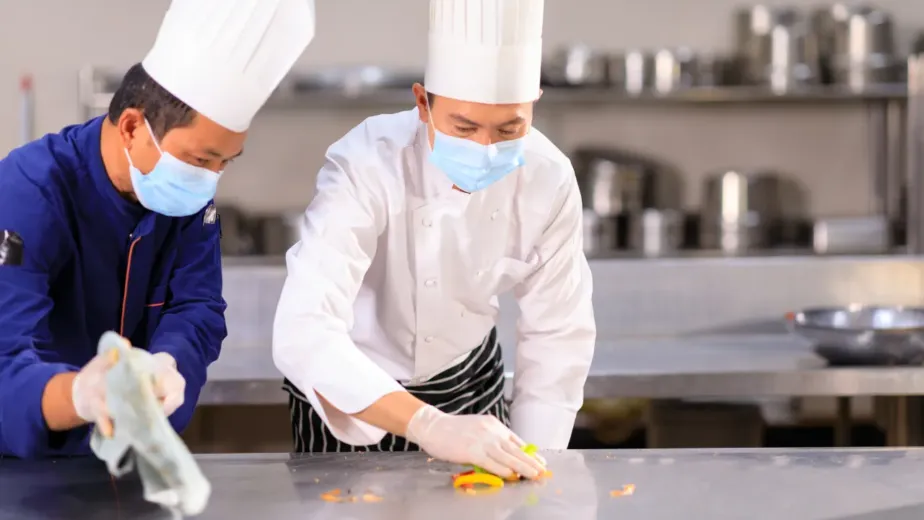
Food Safety in Mass Catering What Clients Should Know is one of the most critical aspects of mass catering especially when meals are prepared for large groups across corporate healthcare education labor camps and events For a catering provider like SSS Catering and Hospitality maintaining strict food safety standards is not just a requirement but a core responsibility that directly impacts client trust public health and operational credibility

Table of Contents
ToggleUnderstanding the Importance of Food Safety in Mass Catering
When food is prepared at scale the risks associated with contamination spoilage and improper handling increase significantly Unlike small kitchens mass catering operations handle large volumes of ingredients multiple preparation stages and extended distribution chains This complexity requires structured systems to ensure that every meal served is safe
Food safety is essential not only to prevent foodborne illnesses but also to maintain consistency quality and compliance with regulatory standards Clients should understand that food safety is a continuous process that starts from sourcing ingredients and ends only when the food is consumed
Ingredient Sourcing and Supplier Standards
The foundation of food safety begins with sourcing high quality ingredients Reliable catering providers carefully select suppliers who meet strict hygiene and quality benchmarks Ingredients such as meat dairy vegetables and grains must be sourced from approved vendors that follow proper storage and transportation practices
Temperature control during transportation is especially important perishable goods must be kept within safe temperature ranges to prevent bacterial growth Clients should expect their catering provider to maintain traceability of all ingredients ensuring that every component of a meal can be tracked back to its source
Storage and Inventory Management
Proper storage is a critical step in preventing contamination and spoilage Ingredients must be stored under controlled temperature and humidity conditions Refrigerated and frozen items must be separated from dry goods to avoid cross contamination
Inventory management systems are used to monitor stock rotation following the FIFO principle first in first out This ensures that older ingredients are used before newer ones reducing the risk of expired or low quality materials being used in meal preparation
Hygiene Standards in Food Preparation
Hygiene is at the heart of food safety in mass catering Kitchens must follow strict cleanliness protocols including regular sanitization of surfaces equipment and utensils Staff members are required to maintain personal hygiene practices such as hand washing wearing gloves hairnets and clean uniforms
Cross contamination prevention is a key focus Separate preparation areas and tools are used for raw and cooked foods to avoid the transfer of harmful bacteria Regular training programs ensure that kitchen staff are aware of and comply with hygiene standards at all times
Temperature Control and Cooking Procedures
Temperature control plays a crucial role in eliminating harmful microorganisms Food must be cooked at appropriate internal temperatures to ensure safety while also preserving taste and texture After cooking proper holding temperatures must be maintained to prevent bacterial growth
In mass catering operations hot meals are typically kept above a safe temperature threshold while cold meals are stored below a specific limit This requires the use of specialized equipment such as hot holding cabinets refrigerated units and insulated transport containers
Transportation and Delivery Safety
Once food is prepared it must be transported safely to the final destination Transportation introduces additional risks if temperature control is not maintained Catering providers use insulated vehicles and containers to ensure that food remains within safe temperature ranges during transit
Timing is also critical meals should be delivered as close as possible to serving time to minimize the duration food spends in transit Efficient routing and scheduling help reduce delays and maintain food quality upon arrival
Compliance with Health and Safety Regulations
Food safety in mass catering is governed by local and international health regulations Catering providers must comply with inspections certifications and audits conducted by relevant authorities These regulations cover everything from kitchen design and waste disposal to staff training and documentation
Clients should verify that their catering provider adheres to recognized food safety standards such as HACCP principles which focus on identifying and controlling potential hazards throughout the food production process Compliance ensures accountability and reduces the risk of food safety incidents
Staff Training and Awareness
Human error is one of the most common causes of food safety issues Continuous training is essential to ensure that all staff members understand proper food handling procedures hygiene practices and emergency protocols
Training programs typically cover topics such as cross contamination prevention allergen management temperature control and sanitation procedures Well trained staff are more likely to follow protocols consistently reducing the likelihood of errors that could compromise food safety
Allergen Management and Special Dietary Needs
Managing food allergies is a critical component of food safety especially in environments where meals are served to diverse populations Catering providers must clearly identify and label allergens in their menus and take precautions to avoid cross contact during preparation
Special dietary requirements such as vegetarian vegan gluten free or medical diets must be handled with separate processes and strict controls to ensure that meals meet the specified needs without contamination Clients should ensure that their catering provider has clear systems in place for handling such requirements
Monitoring Audits and Quality Control
Regular audits and inspections are essential to maintain food safety standards Internal quality control teams monitor every stage of the catering process from procurement to delivery External audits by regulatory bodies or third party inspectors provide additional assurance of compliance
Documentation plays a key role in monitoring activities records of temperature logs cleaning schedules staff training and supplier certifications help maintain transparency and accountability within the operation
Waste Management and Environmental Hygiene
Proper waste management is an important but often overlooked aspect of food safety Waste must be disposed of in a timely and hygienic manner to prevent contamination and pest infestations Segregation of organic and non organic waste along with proper disposal methods helps maintain a clean kitchen environment
Environmental hygiene also includes pest control measures regular cleaning schedules and maintenance of kitchen infrastructure These practices ensure that the facility remains safe and compliant with health standards
Communication Between Clients and Catering Providers
Clear communication between clients and catering providers is essential for maintaining food safety Clients should provide accurate information regarding the number of meals dietary restrictions timing and any special requirements
In turn catering providers should communicate their processes certifications and safety measures transparently This mutual understanding helps avoid misunderstandings and ensures that expectations are aligned
Conclusion
Food safety in mass catering is a comprehensive system that involves careful planning strict hygiene protocols continuous monitoring and adherence to regulations It is not a single step but an ongoing commitment that spans the entire food production and delivery cycle
Clients who understand the importance of sourcing storage preparation transportation and compliance are better equipped to choose the right catering partner Providers like SSS Catering and Hospitality demonstrate how structured processes and strict safety standards can ensure reliable high quality and safe meal services across large scale operations
👉 Book Now: https://sssch.ae/contact-us/
👉 Message Us: https://wa.me/971565370073