Corporate Ramadan Catering: More Than Just a Meal
In the corporate world of the Middle East and beyond, the “Corporate Iftar” has become a vital pillar of business strategy. It is the one time of year where the hierarchy of the office is momentarily dissolved in favor of a shared meal. For a catering company, corporate clients are the most lucrative yet demanding segment. They require precision, branding, and a level of professionalism that goes beyond standard hospitality.
Objectives of the Corporate Iftar
When a CEO hires a caterer for Ramadan, they aren’t just buying food; they are buying an “experience” intended to achieve three things:
-
Employee Appreciation: Boosting morale and showing respect for the cultural values of the team.
-
Client Relationship Management: A relaxed environment to strengthen ties outside the boardroom.
-
Brand Positioning: Demonstrating the company’s success and hospitality.
Planning the Timeline: The Caterer’s Countdown
Corporate events are planned months in advance. A caterer must guide the client through a rigorous timeline:
-
8 Weeks Out: Venue selection and menu tasting. In corporate catering, the “tasting session” is where the deal is won or lost.
-
4 Weeks Out: Finalizing the guest list and dietary requirements. Corporate crowds often have a higher percentage of international guests with allergies (gluten-free, nut-free, dairy-free).
-
The Day Of: Access to corporate towers can be difficult. A caterer must coordinate with building security for loading docks and elevator access hours before the event starts.
Menu Engineering for a Professional Setting
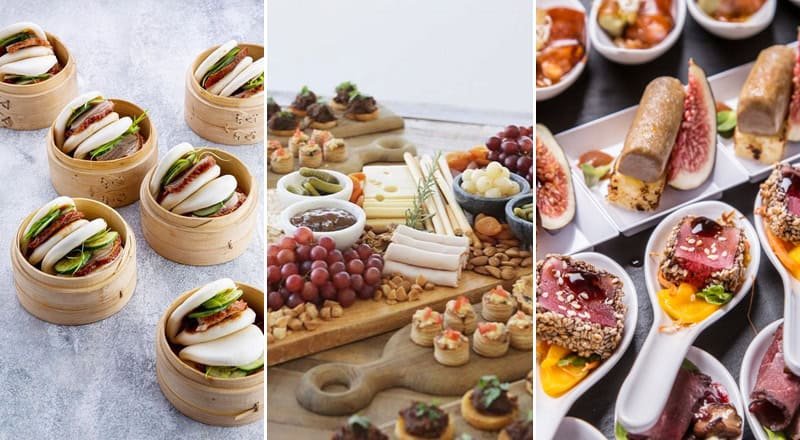
A corporate Iftar menu needs to be “Clean and Convenient.” Unlike a family gathering where things can get messy, a corporate setting requires food that is easy to eat while networking.
-
Avoid “Messy” Foods: Avoid bone-in meats or heavy sauces that might stain a suit or dress. Opt for deboned lamb, grilled skewers, and bite-sized appetizers.
-
The “Grab-and-Go” Iftar Box: A massive trend in corporate catering is the premium Iftar box. For companies that cannot host a full sit-down meal, these boxes—containing dates, a salad, a main, and a dessert—are delivered directly to the office. The packaging here is as important as the food. It must be branded, eco-friendly, and maintain heat.
The Role of Technology in Corporate Catering
Modern catering is no longer just about the kitchen; it’s about data.
-
RSVP Integration: Many caterers now offer digital RSVP platforms for their corporate clients to track dietary preferences in real-time.
-
QR Code Menus: Instead of bulky paper menus, a QR code on the table can lead guests to a digital menu that lists every ingredient—crucial for those with severe allergies.
Designing the Space: Branding Meets Tradition
The decor for a corporate Iftar should be a subtle blend of the company’s corporate identity and Ramadan aesthetics.
-
Color Palettes: If a company’s colors are blue and silver, the Ramadan decorations should incorporate those hues into the lanterns and table runners.
-
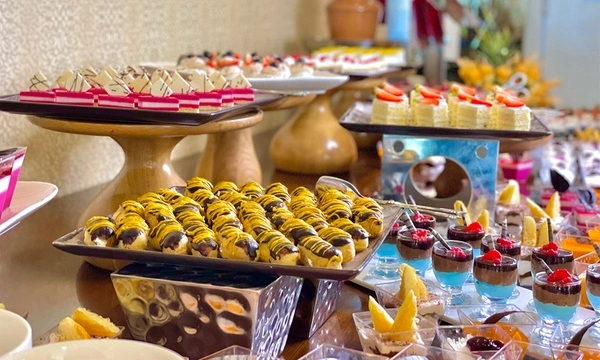
Networking Zones: Instead of traditional long tables, suggest “standing cocktail tables” for the dessert and coffee phase. This encourages guests to move around and talk to different people, rather than staying seated in one spot all night.
Handling the “International Guest”
Often, a corporate Iftar includes non-Muslim expatriates or visiting partners. The caterer plays the role of a “Cultural Ambassador.”
-
Educational Signage: Small cards next to each dish explaining what it is (e.g., “Umm Ali: A traditional Egyptian bread pudding with nuts and cream”) help international guests navigate the menu with confidence.
-
Non-Fasting Protocol: For events held during the day (like a lunch meeting for non-fasting staff), the caterer must ensure the setup is discreet and respectful of the fasting environment.
Sustainability: The Corporate Requirement
Modern corporations are under heavy pressure to meet ESG (Environmental, Social, and Governance) goals. A caterer who can provide a “Sustainable Iftar” has a massive competitive advantage.
-
Zero-Waste Planning: Providing a plan for where leftover food goes (e.g., partnerships with local food banks).
-
Plastic-Free Service: Using ceramic, glass, and bamboo instead of single-use plastics.
Conclusion: Delivering Value Beyond the Plate
The success of a corporate Iftar is measured by the conversations it facilitates. When the food is served on time, the flavors are balanced, and the staff is invisible yet attentive, the caterer has succeeded in creating a “frictionless” environment for business to happen.
👉 Book Now: https://sssch.ae/contact-us/
👉 Message Us: https://wa.me/971565370073