Table of Contents
ToggleA Guide to Creating the Best Menu for Your Next Event
Creating the perfect menu for an event is one of the most important decisions you will make during the planning process. The menu sets the tone, influences guest satisfaction, and plays a major role in how your event is remembered. Whether you are organizing a corporate gathering, wedding, private celebration, or luxury event, a well-planned menu can elevate the entire experience and leave a lasting impression on your guests.
A great event menu is not just about serving delicious food. It’s about balance, timing, presentation, dietary considerations, and aligning the food with the purpose and atmosphere of the event. This guide will walk you through everything you need to consider to create the best menu for your next event with confidence and clarity.
Understanding the Purpose of Your Event
Before selecting any dishes, it’s essential to understand why the event is taking place. The purpose of the event heavily influences menu choices, portion sizes, and service style.
Corporate events often require menus that are elegant yet practical, helping guests stay energized and focused. Weddings usually call for more indulgent and celebratory options, while private gatherings allow for a more personalized and intimate dining experience. Product launches, networking events, and galas may benefit from lighter bites that encourage movement and interaction.
When the menu aligns with the event’s purpose, it feels intentional and enhances the overall flow of the occasion.
Knowing Your Guests
Your guests should always be at the center of menu planning. Understanding their preferences, expectations, and needs will help you design a menu that feels inclusive and thoughtful.
Consider factors such as cultural background, age range, and dietary requirements. In diverse cities like Dubai, guests may have varied tastes and dietary restrictions. Offering a mix of international flavors alongside familiar options often works well. Vegetarian, vegan, gluten-free, and allergy-friendly choices should be incorporated seamlessly rather than treated as an afterthought.
When guests feel considered, they are more likely to enjoy the experience and remember it positively.
Choosing the Right Catering Style
The catering style you choose can significantly impact how your menu is perceived and enjoyed.
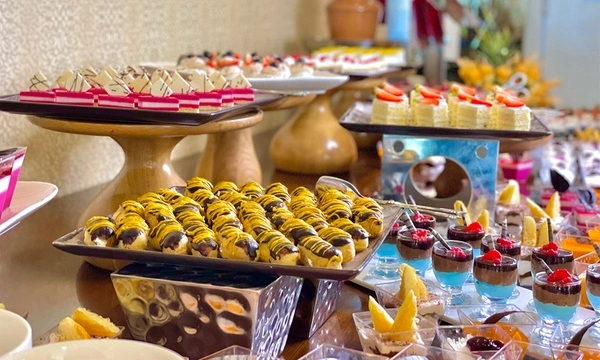
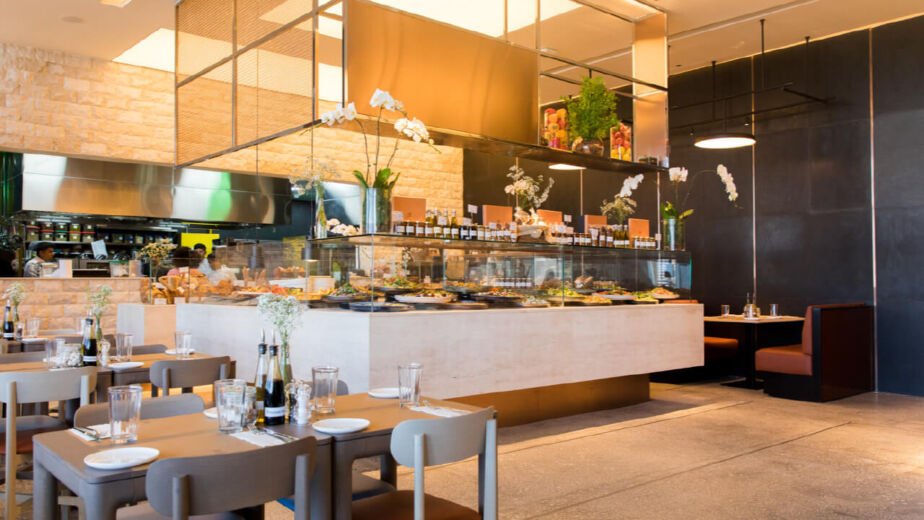
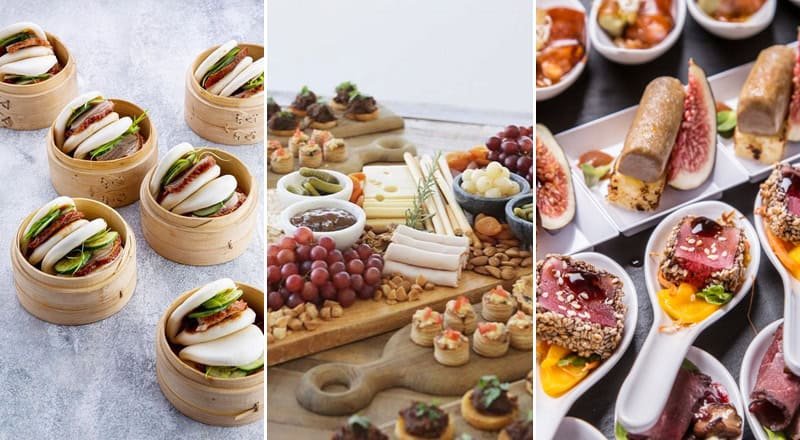
Buffet-style menus offer variety and flexibility, making them ideal for large events and mixed guest preferences. Plated service creates a refined and formal atmosphere, perfect for weddings and high-end corporate dinners. Live cooking stations and interactive food displays add excitement and engagement, especially at social and networking events. Cocktail-style menus with canapés and small plates are excellent for events focused on conversation and movement.
Selecting the right service style ensures your menu complements the event flow rather than disrupting it.
Building a Balanced Menu
A successful event menu is all about balance. Each course should complement the next without overwhelming guests.
Start with light and inviting appetizers that stimulate the appetite. Main courses should offer a balance of proteins, carbohydrates, and vegetables, with options that cater to different tastes. Desserts should feel indulgent but not heavy, leaving guests satisfied rather than overly full.
Avoid repetition in flavors and textures. Mixing creamy, crunchy, fresh, and rich elements creates a more dynamic dining experience. A well-balanced menu keeps guests engaged from the first bite to the last.
Selecting High-Quality Ingredients
The quality of ingredients directly affects taste, presentation, and guest satisfaction. Even the simplest dishes can feel luxurious when prepared with fresh, high-quality ingredients.
Seasonal ingredients are often more flavorful and visually appealing. They also allow caterers to create menus that feel fresh and relevant. Choosing quality over quantity is always a winning strategy, especially for luxury or premium events.
Guests may not remember every dish, but they will remember how the food made them feel.
Considering Timing and Event Duration
Timing plays a crucial role in menu planning. The length of the event and the time of day should guide portion sizes and dish selection.
For shorter events, lighter menus or small bites are usually sufficient. Longer events may require multiple courses or food stations to keep guests satisfied. Morning and afternoon events often call for lighter fare, while evening events allow for richer and more indulgent menus.
Matching the menu to the event schedule helps maintain energy levels and prevents food waste.
Presentation Matters More Than You Think
Food presentation is a key part of the guest experience. Beautifully presented dishes enhance appetite and elevate the perceived value of the menu.
Elegant plating, stylish buffet setups, and thoughtfully designed food stations can transform even simple dishes into memorable highlights. Presentation should align with the event theme, whether it’s modern, classic, luxurious, or casual.
In many cases, guests “eat with their eyes” before taking the first bite.
Incorporating Drinks and Pairings
No menu is complete without considering beverages. Drinks should complement the food and suit the event style.
Water, soft drinks, and juices are essential, while coffee and tea stations add comfort and warmth. For events that include mocktails or specialty drinks, pairing them with the menu enhances the overall experience. Beverage choices should be balanced and easily accessible throughout the event.
Thoughtful drink planning adds polish and professionalism to your menu.
Working with a Professional Catering Team
Partnering with an experienced catering team can make the entire process smoother and more enjoyable. Professional caterers offer valuable guidance on portion planning, menu balance, service flow, and presentation.
Menu tastings are especially important, as they allow you to experience flavors, presentation, and quality firsthand. Clear communication with your catering partner ensures expectations are aligned and details are refined well before the event day.
A strong catering partner doesn’t just serve food — they help bring your vision to life.
Common Menu Planning Mistakes to Avoid
Some mistakes can negatively impact an otherwise well-planned event. Overloading the menu with too many options can confuse guests and reduce quality. Ignoring dietary needs can leave some guests feeling excluded. Choosing trendy dishes without considering guest preferences may also backfire.
Simplicity, clarity, and thoughtful planning are often more effective than excess.
Final Thoughts
Creating the best menu for your next event is about understanding your guests, aligning food with the event purpose, and focusing on quality and balance. When planned carefully, the menu becomes a powerful tool that enhances atmosphere, encourages connection, and leaves a lasting impression.
Great food brings people together, sparks conversation, and turns events into memorable experiences. With the right approach and the right catering partner, your menu can become one of the strongest highlights of your event.
If you’re planning an upcoming event and want expert support in designing a menu that impresses and delights your guests, taking the next step is easy.
👉 Message Us: https://wa.me/971565370073