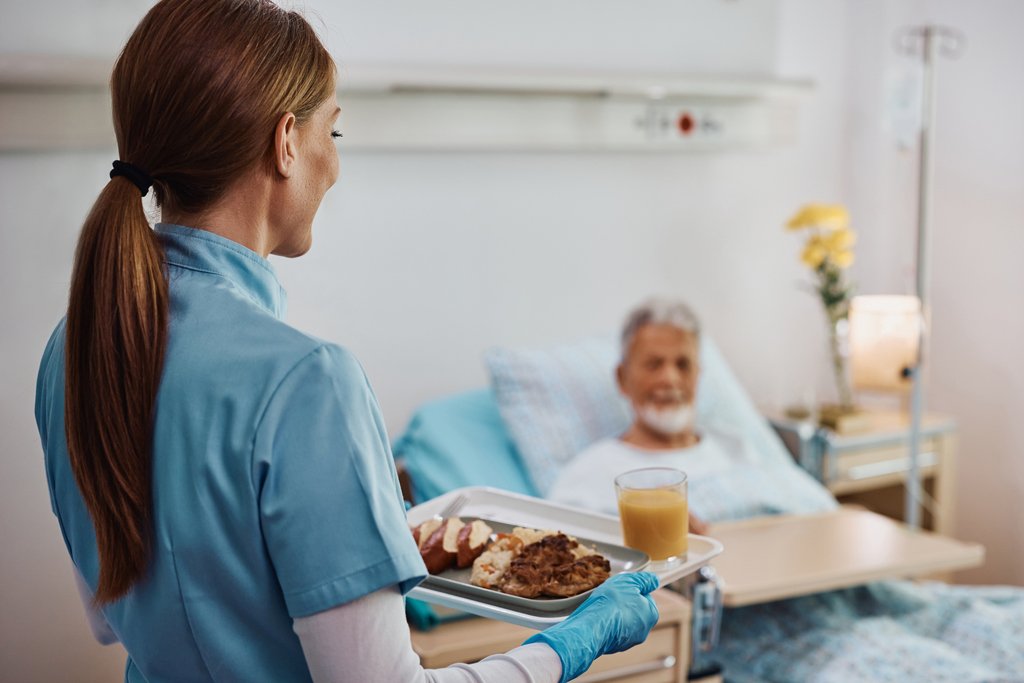
How Hospitals Ensure Safe and Nutritious Meals. Healthcare facilities play a critical role in protecting and improving the wellbeing of patients. While medical treatment, nursing care, and advanced healthcare technologies often receive the most attention, nutrition remains one of the most important components of patient recovery and overall health outcomes.
Food served in hospitals, rehabilitation centers, long-term care facilities, and healthcare institutions must meet much higher standards than traditional catering services. Every meal must be carefully planned, prepared, and delivered to support patient health while maintaining the highest levels of food safety.
Healthcare catering is a specialized field that combines nutrition, food safety, hospitality, and operational excellence to ensure patients, visitors, and healthcare staff receive meals that meet strict medical and dietary requirements.
At SSSCH, we understand the unique demands of healthcare catering and provide professional food service solutions that prioritize patient wellbeing, nutritional balance, and regulatory compliance throughout the UAE.
What Is Healthcare Catering?
Healthcare catering refers to the planning, preparation, and delivery of meals within hospitals, medical centers, rehabilitation facilities, and healthcare institutions.
Unlike standard catering services, healthcare catering must consider:
- Medical conditions
- Dietary restrictions
- Nutritional requirements
- Food allergies
- Patient recovery plans
- Food safety regulations
Every meal becomes part of a patient’s healthcare journey and contributes to their recovery process.
Why Nutrition Matters in Healthcare Facilities
Proper nutrition plays a major role in patient recovery and long-term health outcomes.
Healthcare providers increasingly recognize that food is not simply a service—it is an essential component of treatment and care.
Benefits of Proper Healthcare Nutrition
Faster Recovery
Balanced meals provide the nutrients needed to support healing and recovery.
Improved Immune Function
Nutritious food helps strengthen the body’s natural defenses.
Better Patient Satisfaction
Quality meals improve the overall healthcare experience.
Reduced Health Complications
Proper dietary management helps prevent nutrition-related issues during treatment.
Hospitals that prioritize nutrition often experience better patient outcomes and higher satisfaction levels.
The Unique Challenges of Healthcare Catering
Healthcare environments require a level of precision that exceeds most other catering sectors.
Diverse Dietary Requirements
Patients often require specialized meal plans.
Common Dietary Programs Include
Diabetic Diets
Carefully controlled carbohydrate intake.
Low-Sodium Diets
Supporting cardiovascular health.
Renal Diets
Designed for patients with kidney conditions.
Soft Diets
Suitable for patients recovering from surgery or experiencing swallowing difficulties.
High-Protein Diets
Supporting recovery and tissue repair.
Healthcare catering teams must accurately prepare and deliver meals according to individual patient requirements.
Food Allergy Management
Food allergies represent a serious safety concern within healthcare environments.
Common Allergens Include
- Dairy
- Eggs
- Nuts
- Soy
- Seafood
- Wheat
Hospitals must implement strict procedures to prevent cross-contamination and ensure patient safety.
Food Safety Standards in Healthcare Catering
Food safety is one of the most important aspects of healthcare food service.
Patients may have weakened immune systems, making them more vulnerable to foodborne illnesses.
Critical Food Safety Measures
Approved Supplier Programs
Ingredients should only be sourced from trusted and certified suppliers.
Temperature Control
Food must remain within safe temperature ranges during:
- Storage
- Preparation
- Transportation
- Service
Hygiene Compliance
Strict handwashing and sanitation procedures are essential.
Quality Assurance Systems
Regular inspections and audits help maintain compliance with healthcare regulations.
At SSSCH, food safety remains a top priority across all healthcare catering operations.
Nutritional Planning in Healthcare Catering
Nutrition planning is a collaborative process involving healthcare professionals, dietitians, and catering specialists.
Key Objectives
Support Medical Treatment
Meals should align with prescribed healthcare plans.
Promote Recovery
Providing nutrients that aid healing and rehabilitation.
Maintain Patient Comfort
Offering enjoyable meals that encourage adequate food intake.
Meet Individual Needs
Customizing menus according to patient requirements.
A successful healthcare catering program balances medical necessity with meal quality and patient satisfaction.
The Role of Dietitians in Hospital Catering
Dietitians play an essential role in healthcare food service operations.
Responsibilities Include
Nutritional Assessments
Evaluating patient dietary needs.
Menu Development
Creating nutritionally balanced meal plans.
Dietary Modifications
Adjusting meals based on medical conditions.
Patient Education
Helping patients understand nutritional recommendations.
Collaboration between dietitians and catering teams helps ensure meals contribute positively to patient outcomes.
Hospital Catering for Healthcare Staff
Healthcare catering extends beyond patient meals.
Hospitals must also provide food services for:
- Doctors
- Nurses
- Administrative staff
- Support personnel
- Visitors
Staff Catering Requirements
Healthcare professionals often work long and demanding shifts.
Effective Staff Catering Includes
Healthy Meal Options
Supporting energy and focus.
Flexible Service Hours
Accommodating day and night shifts.
Convenient Dining Solutions
Reducing time away from patient care responsibilities.
Providing quality meals supports workforce wellbeing and operational efficiency.
The Importance of Menu Variety
Patients may remain in healthcare facilities for days, weeks, or even months.
Menu variety is essential for maintaining meal satisfaction.
Benefits of Diverse Menus
Improved Food Intake
Patients are more likely to eat meals they enjoy.
Better Nutritional Outcomes
Consistent meal consumption supports recovery.
Enhanced Patient Experience
Varied menus reduce monotony and improve satisfaction.
Professional healthcare catering providers regularly update menus to maintain interest and accommodate changing dietary needs.
Technology in Modern Healthcare Catering
Healthcare facilities increasingly rely on technology to improve food service operations.
Technology Applications Include
Dietary Management Systems
Tracking patient nutritional requirements.
Meal Ordering Platforms
Allowing personalized meal selection.
Inventory Management
Reducing waste and improving efficiency.
Food Safety Monitoring
Supporting compliance and quality assurance.
Technology helps improve accuracy, consistency, and operational performance.
Sustainability in Healthcare Catering
Healthcare organizations are increasingly adopting sustainable food service practices.
Sustainable Initiatives Include
Food Waste Reduction
Improving portion planning and inventory management.
Responsible Sourcing
Working with trusted suppliers and sustainable producers.
Eco-Friendly Packaging
Reducing environmental impact.
Energy-Efficient Operations
Supporting long-term sustainability goals.
These initiatives align with broader healthcare and environmental objectives.
Common Healthcare Catering Mistakes to Avoid
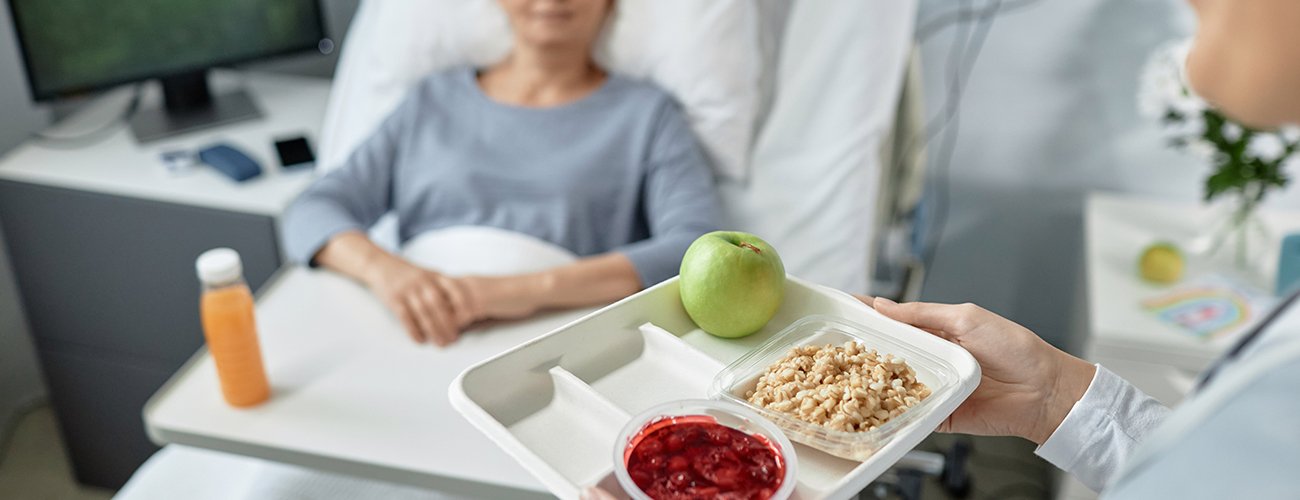
Healthcare facilities should be aware of several common challenges.
Lack of Menu Personalization
Patients have unique dietary requirements that should not be overlooked.
Inadequate Food Safety Controls
Weak safety procedures can create serious health risks.
Limited Menu Variety
Repetitive meals often reduce patient satisfaction.
Poor Communication
Coordination between healthcare teams and catering staff is essential.
Professional providers implement systems designed to minimize these risks.
Why Healthcare Facilities Choose Professional Catering Providers
Many healthcare organizations choose to partner with specialized catering companies rather than manage food service entirely in-house.
Benefits Include
Industry Expertise
Access to professionals experienced in healthcare food service.
Operational Efficiency
Streamlined systems and proven processes.
Compliance Support
Maintaining food safety and regulatory standards.
Cost Control
Improved procurement and resource management.
Professional catering providers help healthcare facilities focus on patient care while ensuring food service excellence.
Why Healthcare Organizations Trust SSSCH
SSSCH delivers customized healthcare catering solutions designed to support hospitals, clinics, rehabilitation centers, and healthcare institutions across the UAE.
Specialized Healthcare Catering Services
We provide:
Patient Meal Services
Staff Dining Solutions
Healthcare Facility Catering
Hospitality Support Services
Large-Scale Food Service Operations
Food Safety Excellence
Strict quality control procedures are implemented across every stage of food preparation and delivery.
Customized Nutritional Solutions
Menus are developed to support diverse dietary and medical requirements.
Experienced Operational Teams
Our trained professionals understand the unique demands of healthcare environments.
Scalable Service Delivery
Capable of supporting facilities of various sizes and operational requirements.
Future Trends in Healthcare Catering
Healthcare food service continues to evolve alongside advancements in patient care.
Emerging Trends Include
Personalized Nutrition
More tailored dietary programs for individual patients.
Digital Meal Ordering
Improving convenience and meal customization.
Health-Focused Menus
Greater emphasis on preventative nutrition and wellness.
Sustainable Operations
Increasing focus on environmental responsibility.
Organizations that embrace these trends can improve both patient outcomes and operational efficiency.
Conclusion
Healthcare catering is a vital component of patient care. Safe, nutritious, and well-planned meals contribute directly to recovery, wellbeing, and overall healthcare experiences.
Hospitals and healthcare facilities require catering solutions that combine nutritional expertise, food safety excellence, operational reliability, and patient-centered service.
By partnering with an experienced healthcare catering provider, organizations can improve patient satisfaction, support clinical objectives, and maintain the highest standards of care.
Looking for Professional Healthcare Catering Services in UAE?
SSSCH provides customized healthcare catering, patient meal services, staff dining solutions, and hospitality support services designed to meet the highest standards of safety, nutrition, and quality.
Contact our team today to learn how our healthcare catering solutions can support your facility and enhance patient care.
👉 Book Now: https://sssch.ae/contact-us/
👉 Message Us: https://wa.me/971565370073