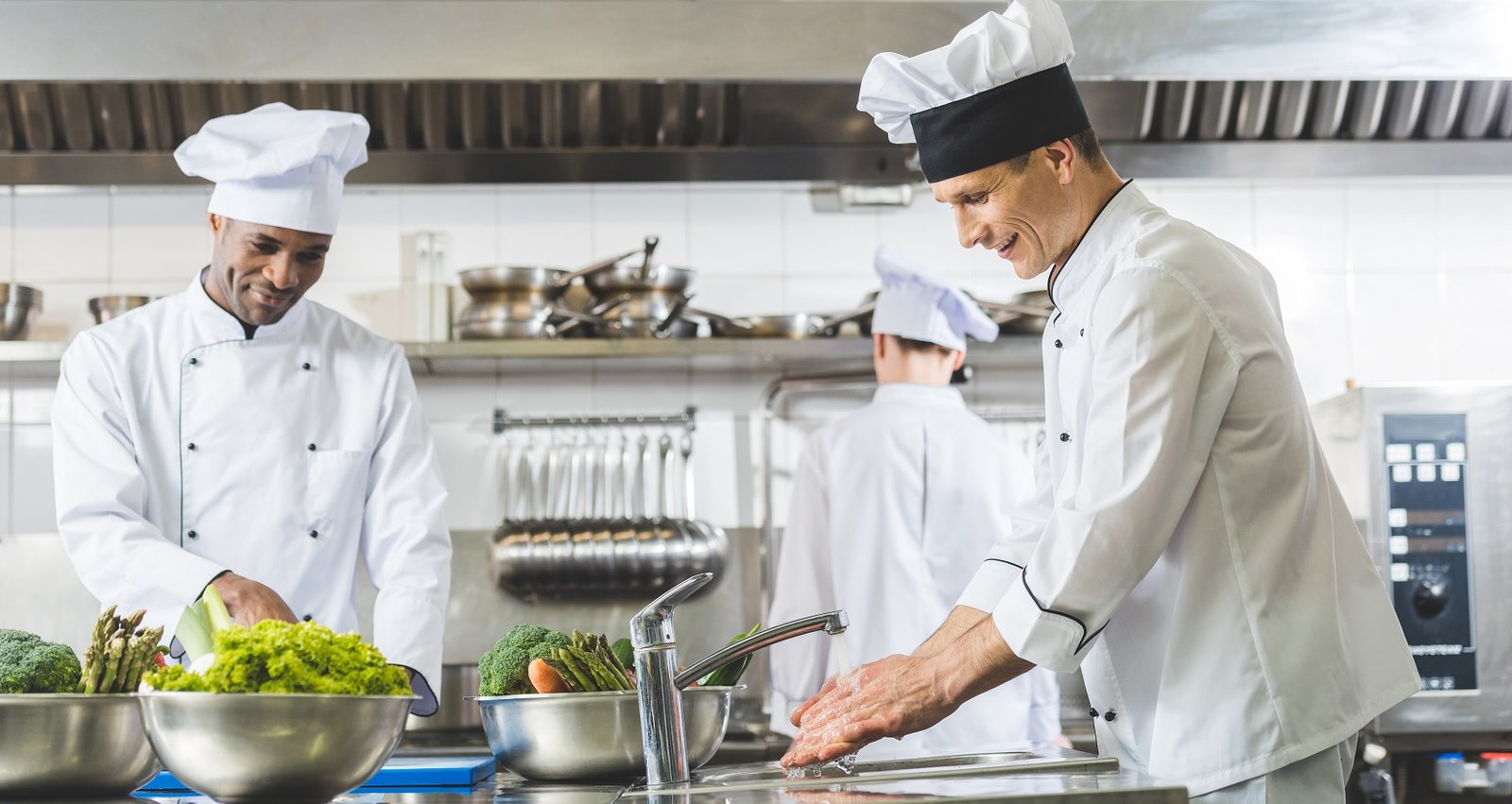
Food Safety and Hygiene Standards in Catering are the cornerstones of any successful catering operation. Whether serving corporate offices, healthcare institutions, educational facilities, or large-scale events, maintaining strict safety standards is essential to protect consumer health, ensure regulatory compliance, and uphold brand reputation. In large-scale catering, where meals are prepared and served in high volumes, even the smallest oversight can have significant consequences.
Table of Contents
ToggleThe Importance of Food Safety in Catering
Food safety is critical in preventing foodborne illnesses and ensuring that every meal served is safe for consumption. Catering companies operate in environments where food is handled, stored, transported, and served in large quantities, increasing the risk of contamination if proper measures are not in place.
Key Risks in Catering Operations
- Cross-contamination between raw and cooked foods
- Improper temperature control
- Poor personal hygiene practices
- Unsafe storage and handling of ingredients
- Contaminated equipment or surfaces
International Food Safety Standards
To maintain consistency and reliability, catering companies must adhere to internationally recognized food safety systems and certifications.
HACCP System (Hazard Analysis and Critical Control Points)
HACCP is one of the most widely used food safety management systems globally. It focuses on identifying potential hazards and implementing controls at critical points in the food production process.
Core Principles of HACCP
- Conducting hazard analysis
- Identifying critical control points (CCPs)
- Establishing critical limits
- Monitoring procedures
- Corrective actions
- Verification processes
- Documentation and record-keeping
Personal Hygiene Practices
Employees play a vital role in maintaining food safety. Proper personal hygiene reduces the risk of contamination and ensures a safe working environment.
Essential Hygiene Rules
- Regular handwashing with proper techniques
- Wearing clean uniforms and protective gear
- Using gloves when handling ready-to-eat food
- Avoiding work when ill
- Keeping nails short and clean
Importance of Staff Training
Continuous training ensures that all employees understand and follow hygiene protocols consistently across all operations.
Food Handling and Preparation Standards
Proper handling and preparation techniques are crucial to maintaining food quality and safety.
Best Practices in Food Preparation
- Separating raw and cooked food items
- Using color-coded cutting boards and utensils
- Cooking food to safe internal temperatures
- Avoiding prolonged exposure of food to room temperature
Temperature Control
Maintaining correct temperatures is essential to prevent bacterial growth.
Safe Temperature Guidelines
- Cold storage: below 5°C
- Hot holding: above 60°C
- Cooking temperatures vary by food type (e.g., poultry requires higher temperatures)
Cleaning and Sanitation Procedures
A clean kitchen environment is fundamental to food safety. Regular cleaning and sanitation reduce the risk of contamination and ensure compliance with health regulations.
Cleaning Protocols
- Daily cleaning schedules for all kitchen areas
- Use of approved cleaning agents and disinfectants
- Regular sanitization of high-touch surfaces
- Deep cleaning of equipment and storage areas
Equipment Hygiene
All kitchen equipment must be cleaned and sanitized after use to prevent the buildup of harmful bacteria.
Safe Storage and Inventory Management
Proper storage of food and ingredients is essential to maintain freshness and prevent spoilage.
Storage Guidelines
- Labeling and dating all food items
- Implementing FIFO (First In, First Out) system
- Storing raw and cooked foods separately
- Maintaining appropriate humidity and temperature levels
Pest Control Measures
Preventing pest infestations is crucial in maintaining a hygienic environment.
- Regular inspections
- Sealed storage areas
- Professional pest control services
Transportation and Food Delivery Safety
In catering, food is often transported from central kitchens to service locations. Ensuring safety during transit is just as important as preparation.
Key Considerations
- Using insulated containers to maintain temperature
- Minimizing transit time
- Ensuring cleanliness of delivery vehicles
- Protecting food from environmental contamination
Monitoring, Audits, and Compliance
Regular monitoring and audits are necessary to ensure that food safety standards are consistently maintained.
Types of Audits
- Internal audits by quality assurance teams
- External inspections by health authorities
- Third-party certification audits
Documentation and Record-Keeping
Maintaining accurate records helps in tracking compliance and identifying areas for improvement.
Crisis Management and Food Safety Incidents
Despite best efforts, incidents may occur. Having a robust crisis management plan is essential.
Response Strategies
- Immediate identification and isolation of affected products
- Transparent communication with stakeholders
- Root cause analysis
- Implementation of corrective measures
Building a Culture of Food Safety
Food safety should be embedded in the company culture, with every employee understanding their role and responsibility.
Key Elements of a Strong Food Safety Culture
- Leadership commitment
- Continuous training and awareness
- Clear communication of standards
- Accountability at all levels
Conclusion
Food safety and hygiene standards are the backbone of any professional catering service. By implementing strict protocols, adhering to international standards like HACCP, and fostering a culture of responsibility, catering companies can ensure the safety and satisfaction of their clients.
In a competitive industry where trust and reliability are paramount, maintaining high food safety standards not only protects consumers but also strengthens brand reputation and long-term success. Ultimately, excellence in food safety is what sets leading catering providers apart, ensuring that every meal served is not only delicious but also safe and hygienic.
👉 Book Now: https://sssch.ae/contact-us/
👉 Message Us: https://wa.me/971565370073