The Science of Meal Planning for Different Industries Meal planning in large-scale catering is far more than preparing food in bulk it is a structured science that blends nutrition operational efficiency cost control and behavioral understanding of different user groups In the case of SSS Catering and Hospitality this science is applied across multiple industries where each sector has unique dietary requirements consumption patterns and logistical challenges Understanding these differences is what transforms a standard catering service into a strategic partner for organizations

Table of Contents
ToggleUnderstanding the Foundation of Meal Planning Science
At its core meal planning is built on three pillars nutrition consistency and scalability Nutrition ensures that meals meet the dietary needs of individuals Consistency ensures that every meal delivered maintains the same quality taste and presentation Scalability ensures that food production can meet demand without compromising standards
For large catering providers this involves detailed menu engineering ingredient sourcing forecasting and workflow optimization Every decision from portion size to cooking method is backed by data and experience rather than guesswork This scientific approach allows catering operations to remain efficient even when serving thousands of meals daily
Meal Planning for Corporate Environments
Corporate meal planning focuses on productivity energy levels and employee satisfaction Employees often require meals that are balanced light and designed to avoid post meal fatigue Nutritionists and planners prioritize meals rich in protein complex carbohydrates and essential micronutrients while limiting heavy fats and excessive sugars
In corporate settings timing is also critical Meals must be served quickly within limited break periods which means menus are designed for fast service and easy consumption Buffet systems or pre packed meal solutions are commonly used to streamline distribution Additionally variety plays a key role since employees consume meals daily repetition can lead to dissatisfaction Therefore rotating menus and introducing themed days helps maintain engagement and satisfaction
Meal Planning for Healthcare Facilities
Healthcare meal planning is one of the most precise and regulated areas It must align with medical dietary requirements patient conditions and recovery goals Meals are often customized based on diagnoses such as diabetes hypertension or post surgical recovery
Portion control nutrient density and digestibility are essential considerations Meals are typically low in sodium controlled in sugar and tailored in texture for patients with swallowing difficulties Hygiene standards are extremely strict and food preparation processes follow medical grade safety protocols
Timing also plays a crucial role as patients rely on consistent meal schedules to support treatment routines Meal planners coordinate closely with healthcare professionals to ensure that each meal contributes positively to patient recovery and well being
Meal Planning for Educational Institutions
Schools and universities require meal plans that support growth concentration and long term health for students Nutritional balance is the primary focus with meals designed to provide sustained energy throughout the day
For younger students meals are often simplified to include familiar flavors while still maintaining nutritional value Portion sizes are adjusted according to age groups and caloric needs Educational institutions also emphasize allergen management ensuring that meals are safe for students with dietary restrictions such as gluten or nut allergies
In addition cost efficiency is a major factor since institutions often operate within fixed budgets Meal planning in this sector requires balancing affordability with quality while still meeting regulatory nutritional standards
Meal Planning for Labor Camps and Workforce Housing
Labor camps and workforce accommodations require high calorie meals that support physically demanding jobs Workers in construction manufacturing and industrial sectors burn significant energy throughout the day so meal plans must compensate accordingly
Meals in this sector are typically designed to be filling energy dense and cost effective Planners focus on carbohydrates proteins and fats in balanced proportions while ensuring meals are satisfying enough to maintain morale Variety is also important even in large scale operations repetitive menus can negatively impact worker satisfaction
Logistics are a major challenge in this sector as meals must be transported and served efficiently to large groups often located in remote or high demand environments Temperature control food safety and timely delivery are critical components of the planning process
Meal Planning for Events and Hospitality
Events require a different level of customization and presentation compared to institutional catering Meal planning in this sector is influenced by guest experience aesthetics and theme alignment Whether it is a corporate event wedding or private gathering the food must complement the occasion
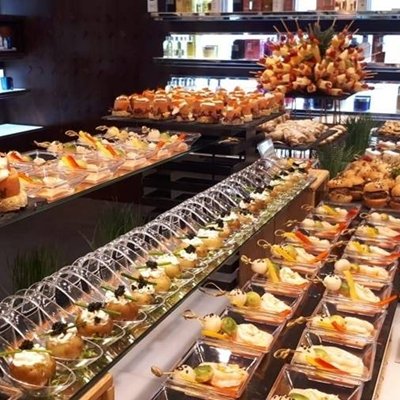
Menus are often curated to match cultural preferences dietary restrictions and event themes Finger foods plated meals live cooking stations and buffet arrangements are all used depending on the nature of the event Presentation and timing are key factors as guests expect visually appealing dishes served at the right moment
In hospitality environments flexibility is essential as guest counts preferences and schedules can change Meal planners must adapt quickly while maintaining consistency and quality
The Role of Data and Forecasting in Meal Planning
Modern meal planning relies heavily on data analysis Historical consumption patterns seasonal trends and demographic insights help planners predict demand and optimize inventory Forecasting reduces food waste ensures ingredient availability and improves cost efficiency
Advanced systems may track meal preferences consumption rates and feedback to continuously improve menus This data driven approach allows catering providers to refine their offerings and align more closely with client expectations
Nutritional Science and Menu Engineering
Menu engineering is a critical component of meal planning that combines culinary creativity with nutritional science Each dish is evaluated based on its nutritional profile cost and popularity Meals are structured to meet macro and micronutrient targets while still being appealing to the end user
Dietitians and culinary experts collaborate to design menus that meet specific dietary goals For example a balanced meal might include lean protein sources whole grains vegetables and healthy fats while maintaining flavor and variety This ensures that meals are not only healthy but also enjoyable which is essential for long term adherence
Operational Efficiency and Large Scale Production
Producing meals at scale requires highly efficient kitchen operations Standardized recipes batch cooking techniques and streamlined workflows are essential to maintain consistency Large catering kitchens are often organized into stations such as preparation cooking packaging and distribution each with defined roles and processes
Equipment selection also plays a role in efficiency Industrial ovens steamers and automated systems help maintain high output while preserving quality Time management is critical as meals must be prepared and delivered within strict schedules especially in sectors like healthcare and corporate catering
Hygiene Safety and Compliance
Food safety is a non negotiable aspect of meal planning especially in large scale catering Strict hygiene protocols govern every stage of the process from ingredient sourcing to final delivery Regular inspections staff training and compliance with local regulations ensure that food remains safe for consumption
Temperature control cross contamination prevention and proper storage are essential practices that reduce risks and maintain trust with clients In industries such as healthcare and education compliance with safety standards is even more critical due to vulnerable populations
Customization and Client Specific Requirements
One of the defining features of modern meal planning is customization Different industries and clients have unique expectations and requirements Meal plans must be adaptable to accommodate cultural preferences religious dietary restrictions and personal choices
Customization may include vegetarian vegan gluten free or calorie controlled options Providing flexible menus allows catering providers to serve diverse populations while maintaining consistency in operations This adaptability is a key factor in building long term partnerships with clients
Conclusion
The science of meal planning across different industries is a complex integration of nutrition logistics data analysis and operational excellence Each sector corporate healthcare education labor camps and events presents its own challenges and demands tailored solutions
Organizations like SSS Catering and Hospitality demonstrate how a structured scientific approach to meal planning can deliver high quality consistent and efficient food services across diverse environments By combining expertise with technology and careful planning catering providers are able to meet the evolving needs of industries while ensuring satisfaction safety and sustainability
👉 Book Now: https://sssch.ae/contact-us/
👉 Message Us: https://wa.me/971565370073