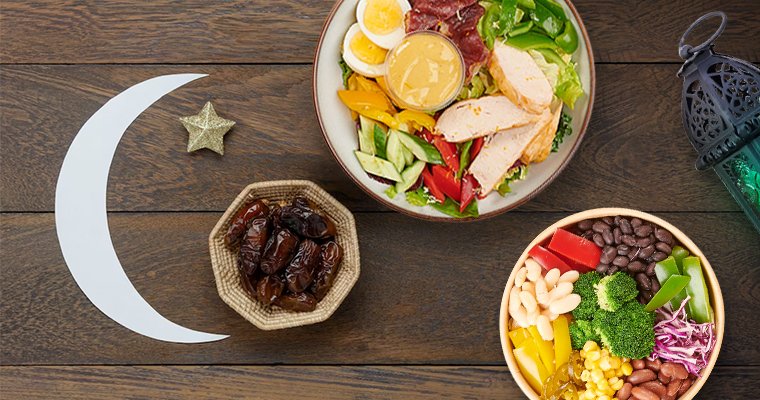
Healthy Preparation Methods and Smart Food Choices During Ramadan Maintaining a healthy diet during Ramadan is not only about what you eat but also how you prepare your meals. Smart cooking methods can preserve nutrients, reduce unhealthy fats, and promote sustained energy throughout the fasting day. By focusing on healthy preparation, you can enjoy traditional meals while keeping them light, nutritious, and balanced.
Many people mistakenly rely on fried or heavily processed foods during Ramadan, believing that these provide necessary energy. While they may be calorie-dense, such foods increase dehydration, cause digestive discomfort, and lead to fatigue. Adopting healthier cooking techniques is a simple but powerful step toward a more comfortable and productive fasting experience.
Grilling: A Low-Fat, Flavorful Option
Grilling is one of the healthiest ways to prepare proteins such as chicken, fish, or lean beef. It uses minimal oil, retains essential nutrients, and enhances the natural flavors of the food. Grilled meals also digest more easily, reducing discomfort during fasting hours.
For example, marinating chicken with olive oil, garlic, and mild spices before grilling adds flavor without excessive calories. Pairing it with steamed vegetables or a side of whole grains creates a balanced meal that keeps you full for longer.
Boiling and Steaming: Preserving Nutrients and Hydration
Boiling and steaming are excellent methods for vegetables, legumes, and grains. These techniques preserve vitamins and minerals that may be lost during frying or prolonged cooking. Additionally, these methods use minimal fat while keeping the food moist and palatable.
Steamed vegetables like carrots, zucchini, and broccoli can be served with a drizzle of olive oil and a sprinkle of herbs, creating a light and nutrient-rich dish. Boiling lentils or chickpeas enhances protein intake and provides sustained energy, especially useful for Suhoor meals.
Baking: Healthy Alternatives to Frying
Baking allows you to enjoy traditionally fried dishes in a healthier way. For example, baked falafel, baked fish, or roasted potatoes provide the same flavors and textures with less fat. Baking also reduces the production of harmful compounds that can occur during frying at high temperatures.
When preparing baked dishes, incorporate onions, tomatoes, garlic, and mild spices to enhance flavor without adding unnecessary calories. Adding a light topping of olive oil or a sprinkle of herbs can further improve taste while keeping meals healthy.
Use Healthy Oils in Moderate Quantities
Healthy oils such as olive oil, corn oil, or avocado oil are essential for a balanced diet. They provide essential fatty acids that support metabolism and long-lasting energy. Adding just a teaspoon of healthy oil to your meals helps increase satiety and supports nutrient absorption without overloading calories.
For instance, a salad dressing made from olive oil, lemon juice, and a pinch of salt complements any Suhoor or Iftar plate, enhancing flavor and keeping meals light and digestible.
Limit Saturated Fats and Avoid Daily Reliance on Fatty Foods
Excessive consumption of saturated fats during Ramadan can increase thirst, promote early hunger, and lead to digestive discomfort. Foods such as fried meats, pastries, and processed snacks should be consumed sparingly. Instead, replace these with low-fat alternatives, lean proteins, and fiber-rich foods.
For example, use low-fat yogurt in recipes, incorporate dark flour in baked goods, and choose grilled or steamed meals over fried options. These modifications help maintain energy and hydration throughout the fasting day.
Include Soups as a Healthy Starter
Soups are a valuable addition to Iftar and Suhoor meals. They provide hydration, essential nutrients, and a feeling of fullness without excessive calories. Opt for vegetable-based soups or lentil soups that are low in saturated fat and high in fiber.
Adding herbs, spices, and mild seasonings enhances flavor without increasing salt content. Soups also prepare the digestive system for the main meal, preventing overeating and supporting overall well-being.
Incorporate Vegetables and Salads in Every Meal
Vegetables and salads are crucial for hydration, vitamins, and fiber. Include a variety of colors and textures to provide a full spectrum of nutrients. Fresh salads, lightly steamed vegetables, or roasted vegetable platters complement main dishes and improve digestion.
For example, a Suhoor plate can include brown bread, boiled eggs, a small portion of legumes, and a fresh vegetable salad dressed lightly with olive oil and lemon. This combination promotes fullness, energy, and hydration.
Moderation is Key
Even healthy foods should be consumed in moderation. Portion control ensures that the digestive system is not overwhelmed and that energy is released steadily throughout the fasting day. Eating too much, even of nutritious foods, can cause fatigue, bloating, or early hunger.
By balancing portion sizes, preparing meals in healthy ways, and including a mix of protein, complex carbohydrates, fiber, and healthy fats, you can optimize your Ramadan nutrition and well-being.
Conclusion: Smart Preparation for a Healthy Ramadan
Healthy food preparation and smart choices make a significant difference in your Ramadan experience. Grilling, steaming, boiling, and baking are excellent techniques to retain nutrients while reducing fat intake. Incorporating vegetables, salads, soups, and moderate healthy oils ensures satiety, energy, and hydration throughout fasting hours.
By following these strategies, you can maintain physical health, mental clarity, and overall comfort, allowing you to fully focus on spiritual reflection and productivity during Ramadan.
Take the Next Step Toward a Healthier Ramadan
Looking for guidance on healthy meal preparation, portion control, and balanced nutrition during Ramadan? Our experts can provide personalized tips to enhance your fasting experience.
📞 Schedule Your Personalized Event Consultation
Contact sssch Now to Discuss Your Event Requirements
💬 Connect Instantly via WhatsApp
Send a Message on WhatsApp to Start Planning